

How Cable Operators Can Transition to IPTV Using Linux Set-Top Boxes (2025 Guide)
As more viewers abandon traditional cable TV for modern digital viewing experiences, cable operators face a crucial turning point: adapt to Internet-based broadcasting or risk losing subscribers. The global shift toward IPTV (Internet Protocol Television) presents a major opportunity for operators looking to modernize, and Linux-powered set-top boxes are becoming the go-to solution.
In this 2025 guide, we’ll explore:
-
Why cable TV is fading and IPTV is rising
-
The advantages of Linux set-top boxes for IPTV service delivery
-
A step-by-step migration plan for cable operators
-
Challenges in IPTV transition and how to overcome them
-
The future of IPTV with Linux platforms
The Decline of Traditional Cable TV
The popularity of cable television has steadily decreased due to limited content control, expensive packages, and lack of flexibility. Today’s viewers want:
-
On-demand video
-
Personalized content
-
Multi-device access (smart TV, mobile, tablet)
-
Affordable streaming over the internet
This has made IPTV a preferred alternative for consumers, and a survival strategy for cable operators.
Understanding the Shift from Cable to IPTV
IPTV delivers TV content through a broadband connection instead of satellite or coaxial cables. This provides:
| Traditional Cable | IPTV (Internet-Based) |
|---|---|
| Linear broadcasting only | Live + On-demand streaming |
| Needs special network cables | Works with existing broadband |
| Limited features | TimeShift, VoD, EPG, app support |
| Higher equipment costs | Flexible Linux-based streaming devices |
Unlike legacy systems, IPTV can support live TV, VoD (Video on Demand), and interactive features — all on one platform.
Why Linux Set-Top Boxes Are the Best Choice for IPTV
Linux-powered IPTV boxes are becoming popular among operators for key reasons:
✅ Open-source and customizable – No expensive licensing
✅ Supports modern IPTV features – VoD, TimeShift, EPG
✅ Secure and scalable – Easy to update and maintain
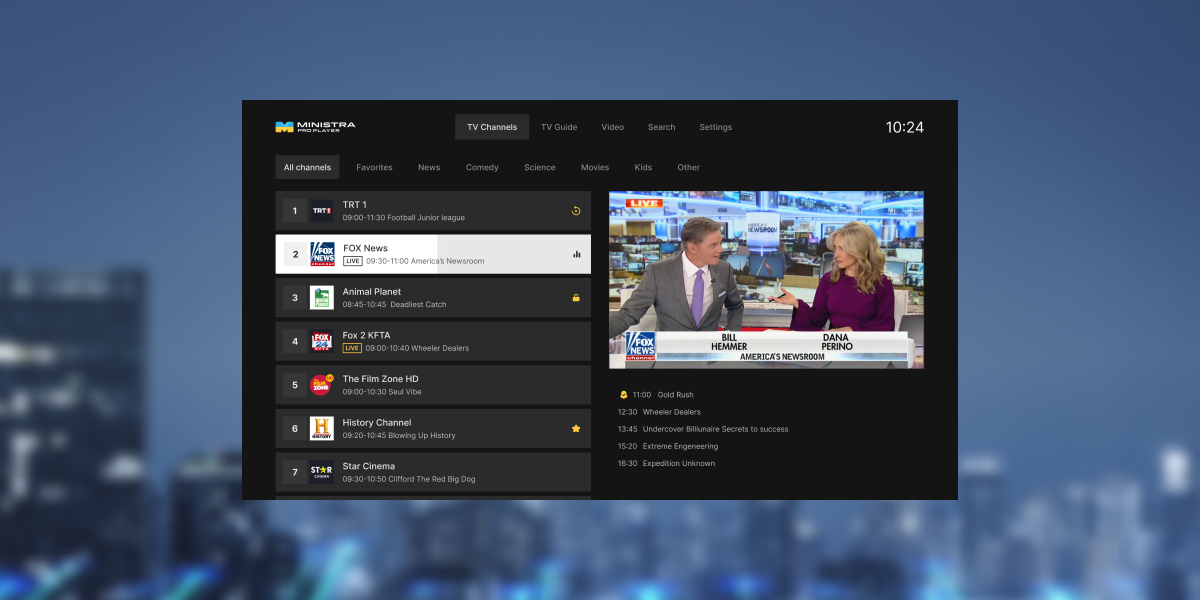
✅ Compatible with IPTV middleware like Ministra Pro
✅ Built for performance – Supports 4K, HDR, and fast UI
Plus, Linux set-top boxes keep long-term device ownership costs low, helping operators scale profitably.
🔗 Explore Raxxio’s Linux IPTV Set-Top Boxes:
https://raxxio.com/product-category/linux-tv-box/
Switching from cable to IPTV

Steps for Cable Operators to Transition to IPTV
Here’s the proven roadmap for cable companies migrating to IPTV using Linux-based devices:
1. Audit your network infrastructure
-
Assess if your broadband or fiber network supports high-speed streaming
-
Upgrade coaxial lines to fiber or hybrid infrastructure
2. Select IPTV middleware compatible with Linux
-
Middleware manages content, billing, analytics & UI
-
Choose platforms like Ministra Pro or Xtream UI
3. Deploy Linux-powered set-top boxes (STBs)
-
Example OS: Linux 4.9 (used in Raxxio MAG 540/544 devices)
-
Configure caching, buffering, and UI for seamless playback
4. Set up DRM and licensing compliance
-
Follow copyright rules and secure video delivery with DRM
5. Train your support and tech teams
-
Ensure staff can handle firmware updates, remote support, and UI customization
6. Educate end users
-
Offer quick start guides, customer helplines, and video demos to ensure smooth adoption
Overcoming Challenges in IPTV Migration
| Challenge | Solution |
|---|---|
| Network latency or buffering | Upgrade network / deploy CDNs |
| Middleware compatibility issues | Pick Linux-supported platforms like Ministra Pro |
| End-user confusion | Provide tutorials and responsive support |
| Licensing & DRM complexities | Partner with experienced IPTV compliance providers |
Advantages for Operators After Migration
📺 Advanced Features for Users
VoD, TimeShift, EPG, app integrations (YouTube, streaming apps)
💰 Reduced Costs
Open-source OS = lower licensing fees
📊 Analytics & Targeted Ads
Track viewer behavior and monetize via personalized ads
🔧 Future-Proof Upgrades
Linux STBs easily updated with new apps and codecs (4K, HDR, AV1, etc.)

Future Outlook of IPTV (2025 and Beyond)
Linux-based IPTV solutions are at the forefront of a 4K/HDR streaming revolution. With smart home integrations, AI-powered recommendations, and cloud DVR expected to surge, operators using Linux boxes are better prepared to evolve with customer expectations.
Conclusion
For cable TV operators looking to stay relevant in 2025 and beyond, transitioning from coaxial-based TV to IPTV delivery is no longer optional — it’s essential. Linux-powered IPTV set-top boxes offer operators a stable, low-cost, and scalable path towards delivering modern, flexible streaming services.
FAQ
Q1: What is the main benefit of IPTV over cable TV?
IPTV uses the internet for content delivery, allowing features like VoD, pause/rewind (TimeShift), and multi-device support.
Q2: Why are Linux set-top boxes preferred by IPTV operators?
They are open-source, fully customizable, and cheaper to operate long-term.
Q3: Can I integrate apps like YouTube or Netflix into Linux-based boxes?
Yes, Linux supports popular streaming apps depending on software configuration.
Q4: What middleware works with Linux IPTV boxes?
Ministra Pro, Stalker, and some Xtream UI variations.
Q5: Do Linux IPTV boxes support 4K streaming?
Yes — most modern Linux IPTV devices (like RAX2300, MAG540W3) support 4K UHD playback.