

Android TV in 2025: Why It’s the Future of Smart Entertainment
Introduction: The Rise of Smart Entertainment
In today’s digital age, the living-room TV is no longer just for broadcast channels. With streaming services, game consoles, and smart home integration taking center stage, the smart TV ecosystem has exploded. According to recent industry research, the global smart TV market was valued at USD 227.52 billion in 2024 and is projected to reach USD 451.26 billion by 2030, at a CAGR of 12.8%. Grand View Research
In this evolving entertainment landscape, the platform you pick for your TV matters. Enter Android TV — Google’s smart-TV platform that is rapidly becoming a global standard for streaming, gaming, and smart-home integration.
What Is Android TV?
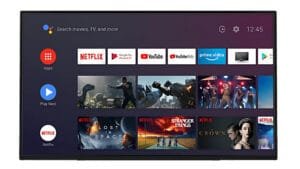
Android TV is a smart-TV operating system (OS) developed by Google LLC, designed for televisions, set-top boxes, streaming media players, and other connected devices. Unlike traditional TV platforms, Android TV combines content discovery, voice control, smart-home integration, and the vast reach of the Google Play Store into one interface.
Key aspects include:
-
A 10-foot user interface optimized for large screens and living-room viewing.
-
Integrated voice search and smart-home controls via Google Assistant.
-
Access to the Google Play Store for apps, games, and streaming services.
-
Customization options for device manufacturers and operators to create unique experiences.
In the broader smart TV platforms market, Android TV is gaining traction: one report states it already supports over 500 million active devices and 170+ OEMs, with a global market share of around 40%.
Key Features of Android TV
1. Intuitive, Big-Screen User Interface
Android TV’s interface is tailored for living room use. Apps, movies, and shows are displayed in a visually clean launcher. Many OEMs adopt Material Design and a “10-foot UI” approach so users can comfortably navigate from a couch.
Service providers can also brand and customize the experience — for example, showing recommended content based on usage or operator-specific launchers.
2. Powerful Google Assistant & Smart Home Integration
Ask your TV to:
-
“Play Stranger Things on Netflix.”
-
“Show me the weather tomorrow.”
-
“Turn off the living room lights.”
This level of voice control and smart-home integration (via Google Assistant, Google Home, or Nest) positions Android TV as more than just a display — it becomes a smart-home hub.
3. Vast App and Game Ecosystem
With thousands of big-screen-optimized apps and games, Android TV turns your TV into a multi-purpose entertainment center. Whether you’re streaming Netflix, gaming with a Bluetooth controller, catching up on news, or joining a video conference, the ecosystem supports it.
4. Content Discovery & Personalisation
Recommendation engines, voice search, and personalized launchers help users discover new content quickly. Rather than digging through dozens of apps, Android TV surfaces relevant shows, movies, and games based on your habits.
5. Smart Home & IoT Capabilities
Android TV isn’t just about content—it’s about living room interaction and smart home control. You can integrate lights, thermostats, security cameras, and more into your TV experience. Research suggests that smart-home control via TV interfaces is increasingly desired by consumers.
Why Android TV Is the Future of Smart Entertainment
Rapid Platform Adoption
Android TV’s growth is impressive. The set-top-box market alone for Android TV is expected to expand significantly: e.g., growing from USD 10.17 billion in 2024 to USD 12.4 billion in 2025, according to one report.
Given this trajectory, Android TV isn’t a niche anymore — it’s mainstream.
Flexibility & Customisation for OEMs and Operators
Unlike closed smart-TV platforms, Android TV offers OEMs and operators the ability to customize branding, UI layers, and content recommendations. This flexibility appeals to manufacturers and service providers globally.
Integration with Streaming, Gaming & Smart Home Trends
With an explosion in OTT streaming, cloud gaming, and smart-home ecosystems, users expect a seamless experience. Android TV brings all these together on a large screen—making it a future-proof platform for living-room entertainment.
Global Reach, Including Emerging Markets
Growth in the Asia-Pacific region is projected to dominate the Android TV market, driven by affordable hardware and streaming adoption.
For markets like Bangladesh, India, and Southeast Asia, this means access to smart-TV features at accessible price points—a big opportunity for users and providers.
Android TV vs. Other Smart TV Platforms
Android TV vs. Roku OS
-
Roku OS is strong in the U.S. market and known for its simplicity but may lack the deep smart-home integrations of Android TV.
-
Android TV offers broader app/game support (via Google Play) and smart-home functionality built in.
-
If you already use Google services (Assistant, Home, Nest), Android TV offers tighter ecosystem integration.
Android TV vs. webOS/Tizen (Samsung/LG)
-
webOS and Tizen are popular in premium smart TVs from LG and Samsung, respectively, but are more proprietary and less flexible for operators.
-
Android TV often powers both dedicated set-top boxes and smart TVs, giving more device choice.
-
For users wanting custom apps or deeper integration with Google’s services, Android TV often has the edge.
Which Platform Should You Choose?
If you value:
-
a rich app and game ecosystem → go Android TV
-
smart-home/voice-control integration with Google services → Android TV
-
simplicity and minimal fuss → Roku or others suffice
-
brand loyalty (e.g., Samsung’s Tizen) or specific platform ecosystem → choose accordingly
Future Trends in Android TV (2025 and Beyond)
-
AI-Driven Content Discovery: Smarter recommendations based on voice search, viewing patterns, and smart-home context.
-
Gaming & Cloud Streaming: TVs will increasingly double as gaming consoles — Android TV is well-positioned for this wave.
-
4K/8K + HDR + Performance Upgrades: As hardware improves, Android TV will support smoother, higher-quality experiences.
-
Smart Home Ecosystem Hub: The TV becomes the centre of the home network—controlling lighting, security, IoT devices, and more.
-
Operator & Venue Solutions: Android TV platforms will expand in hotels, businesses, and hospitality use-cases, not just home entertainment.
How to Get Started with Android TV
-
Decide whether you want a Smart TV powered by Android TV or a set-top box/streaming stick that adds Android TV to your existing display.
-
Verify you have a stable internet connection (broadband or fibre) to stream content smoothly.
-
Connect the device: plug it into the HDMI, power it on, and follow the setup wizard to sign in with your Google account.
-
Install the apps you use: Netflix, YouTube, Disney+, etc. Explore the Google Play Store for games and utilities.
-
Set up voice control (Google Assistant) and link your smart-home devices (lights, thermostat, security camera).
-
Personalize the launcher: pin your favorite apps, use voice to find content, and explore recommendations.
-
Optimize settings for picture, sound, and streaming performance (especially if you have a 4K or 8K display).
Conclusion
In 2025 and beyond, the choice of smart TV platform is more important than ever. Android TV stands out as a future-ready, feature-rich, and flexible solution. Whether you’re streaming movies, playing games, controlling your smart home, or simply relaxing, Android TV brings everything together on the big screen. If you want the best value, app ecosystem, and smart-home integration for your living room, Android TV should be at the top of your list.
Frequently Asked Questions (FAQ)
Q1. What devices support Android TV?
A: Many smart TVs from brands like Sony, TCL, Hisense, and Philips come with Android TV built in. You can also use Android TV streaming boxes or sticks to upgrade older TVs.
Q2. Is Android TV different from Google TV?
A: Google TV is a UI layer built on top of Android TV in some devices (for example, Google’s own “Google TV” branded hardware). Functionally, they are very similar; the terms are often used interchangeably.
Q3. Does Android TV only stream video?
A: No—it also supports apps, games, web browsing (in some cases), voice control, smart-home device integration, gaming controllers, and more.
Q4. How does Android TV compare in cost?
A: Because OEMs and streaming-box makers support it widely, you can find Android TV devices across a broad price range—from budget set-top boxes to premium 4K/8K smart TVs.
Q5. Can I control my smart home from Android TV?
A: Yes—if you have compatible devices (e.g., Google Nest, Philips Hue, smart lights/thermostats), you can integrate them and control them via Google Assistant on Android TV.